RV Travel Day: Leaving and Arriving Without Stress

Because your trip should start with adventure — not anxiety.
There’s nothing quite like the thrill of rolling into a new destination, ready to set up camp and start exploring. But let’s be honest — those first (and last) few hours at any campground can be chaotic. Between power cords, slides, hoses, and checklists, it’s easy to forget something small… until it becomes a big problem on the road.
We’ve been there — tired from travel, mentally juggling a dozen things, wondering if we remembered to raise the steps or latch the fridge. Over time, we developed a smoother system for departing without stress and arriving without surprises.
It’s called the T-Minus Method — a countdown-style approach to RV prep that keeps you calm, organized, and safe from last-minute chaos.
So grab your coffee, put your checklist app on standby, and let’s get your RV road-ready the smart way.
The Power of Preparation
RV travel looks simple from the outside — you just hook up and go, right?
But behind every smooth travel day is a series of small, intentional steps that prevent big headaches later.
A few minutes spent checking tires can save you hours waiting for roadside assistance.
Securing that one loose cabinet keeps your dishes intact.
And turning off the water heater before driving? That’s the kind of wisdom learned after you forget once.
That’s why this checklist isn’t just about what to do — it’s about why you do it.
Hitting the Road: Preparing for Departure
Whether you’re packing up after a long stay or heading out after a weekend adventure, departure day can feel hectic. Slides, hoses, power cords, and checklists all compete for your attention — and missing one small detail can lead to a costly or stressful mistake down the road.
That’s where the T-Minus Method really shines.
By breaking down your departure prep into time-based phases, you’ll always know what to do and when to do it.
The next few sections walk you through each stage — starting the day before you travel — with explanations that go beyond “just check this box.” You’ll understand why each step matters and how it keeps your travels safe, smooth, and stress-free.
Day Before (T-24): Maintenance & Safety First
Think of this as your calm-before-the-storm stage. You’re not rushing, you’re preparing — giving your rig and your route the once-over to ensure tomorrow goes smoothly.
Check your tires and suspension
Tires lose pressure naturally, and even a few PSI can impact towing stability or fuel efficiency. Inspect tread, sidewalls, and inflation on both the tow vehicle and the RV.💡 Pro tip: If you use a tire pressure monitoring system (TPMS), this is a great time to verify all sensors are reading correctly. If you don’t already have one, consider upgrading to a Haloview BT7 system — it’s an all-in-one TPMS and wireless backup camera combo that gives you real-time tire data and rear visibility in one screen. Add side cameras for complete visibility.
Inspect the hitch and hardware
Verify hitch bolts, pins, and connectors are tight and free from rust or wear. This is your lifeline between truck and trailer — it deserves attention.Dump and treat tanks
Empty and flush your black tanks (and gray if needed), then add tank treatment to keep odors and buildup away for the next travel day.Fill fresh water (if boondocking)
Add water based on your next location. No sense hauling extra weight if you’re heading somewhere with full hookups.Fuel up and top off essentials
Fill the truck, check propane levels, and make sure you’ve got DEF (if needed), windshield washer fluid, and enough snacks to make the drive happier.
Night Before (T-12): Prep, Pack, and Power Down
You’re closer to go-time now. Focus on securing what’s outside, organizing what’s inside, and setting up for an easy morning.
Secure outdoor gear
Pack up chairs, mats, bikes, and grills — especially if you’re in a windy or wet area. Nothing’s worse than chasing your camping rug through the campground at dawn.Inspect the roof and exterior
A quick walk-around can save you surprises. Remove anything from the roof (like Starlink or solar panels if they need stowing), and check for branches or debris on slides and awnings.Plan your route
Update your GPS, verify fuel stops, and check for low bridges or construction. It’s easier to plan calmly at night than under pressure in the morning.Stow loose interior items
Think “what could fall?” — countertop appliances, décor, or anything that might slide during travel. Cabinets and drawers should be latched, fridge secured, and pets accounted for.Power down what you don’t need
Turn off or unplug any non-essential electronics. It saves power and prevents damage from surges during start-up the next day.
Morning Of (T-1): The Calm Before You Roll
This is the moment where most RVers either shine or scramble. Take it slow — your goal is to methodically move through your checklist with confidence.
Slides, vents, and windows
Close windows tightly, latch cabinets, and retract slides — ensuring nothing’s in their path (including pets and pillows).Disconnect power, water, and sewer
Always turn off the pedestal breaker before unplugging your RV. Then disconnect and stow your water hose, regulator, and sewer connections.💡 Affiliate tip: To protect your RV from voltage spikes and wiring issues, consider using a Power Watchdog Smart Surge Protector— it connects via Wi-Fi or Bluetooth so you can monitor voltage and amperage right from your phone.
For hose storage, we skip traditional hose totes and use collapsible mop buckets instead — one for drinking water hoses, another for everything else. They’re easy to rinse, fold flat for storage, and help keep things sanitary and organized.
Turn off propane and water heater
Many RVers forget this one. It prevents leaks and protects heating elements when water isn’t circulating.Check inside for movement
Before closing the main door, glance through the rig — nothing loose, nothing blocking slides or doors.Power check
Verify all appliances are off, lights are out, and the refrigerator is latched. A quick final sweep ensures you’re not draining power you’ll need later.
Final Walk-Around (T-0): The Safety Check
This is it — your final prep before hitting the open road. Everything you’ve done up to this point leads here, where safety meets confidence. Take your time and move methodically. A few extra minutes now can prevent a serious problem later.
Pre-Hitch Checks
Before you even back up the truck, make sure your RV is fully ready for hitching.
Confirm earlier phases are complete. Double-check your Day Before, Night Before, and Morning Of steps.
Retract and secure slides, awnings, steps, and handrails. Nothing should extend or hang loose.
Stow antennas and satellite gear. Avoid costly “oops” moments by ensuring everything up top is secure.
Raise stabilizers or jacks to towing height. Rear and middle jacks should be fully retracted.
Turn on your TPMS. Confirm all sensors are online and reading correctly.
Enable Tow/Haul mode. If your vehicle supports it, engage it now for better control.
Extend mirrors. Ensure you have a clear view down both sides of your rig.
Lower the tailgate. Prep your truck for hitching.
Post-Hitch Checks
Once you’re connected, go through this short but essential list before you move an inch.
Verify your hitch connection. The kingpin or hitch ball should be fully seated and locked.
Insert and secure the hitch pin. It must be locked before towing.
Connect the 7-way plug. Make sure it’s snug and secure.
Attach the breakaway cable. Clip it to the tow vehicle, not the hitch itself.
Check auxiliary power cables. Ensure everything is connected and tidy.
Tug Test
Now it’s time to confirm everything’s solid and safe.
Verify brake connection. Check that your trailer is recognized by your brake controller.
Keep wheel chocks in place. They’ll keep your RV steady during the test.
Partially lower front landing gear. Leave it about an inch above the ground in case something slips.
Perform a gentle tug test. Engage your trailer brakes manually and try to move forward slowly. You should feel resistance — if not, stop and recheck.
Set the parking brake. Once you’ve confirmed everything’s secure, you’re good to continue.
Final Check
This is your “all systems go” moment — the last few details before rolling out.
Close the tailgate.
Retract all landing gear and stow blocks or pads.
Remove and store wheel chocks.
Turn on headlights and rear camera. Confirm they’re working.
Do a full light check. Test running lights, brake lights, turn signals, and hazards.
Walk the entire rig. Look up, down, and around for forgotten vents, steps, or gear.
Reset your trip meter. It’s a small but satisfying step — your next adventure officially begins.
Arriving at Camp: Setting Up the Smart Way
While this checklist focuses mainly on departure, here are a few quick reminders for when you pull in and settle down:
Choose your site wisely — Before backing in, take a minute to walk the site. Make sure it’s clear of debris, low branches, or hidden stumps that could cause trouble. Check for enough clearance for your slides and awnings, and inspect the power pedestal to confirm it has the correct connection for your RV. Look for signs of damage or melted plugs — discovering that before you’ve disconnected your truck can save you a major headache.
Level first — Always level before extending slides. We recommend using the LevelMate Pro, a Bluetooth leveling system that shows you exactly how level you are on your phone before you even unhook.
Power next — Test the pedestal with a surge protector before plugging in. A quick voltage check can prevent damage from bad campground wiring.
Then water and sewer — Connect water with a regulator, then sewer if needed. Keeping these steps in order avoids water pressure issues and cross-contamination.
Enjoy your arrival — You’ve earned it. Grab a drink, take in the view, and enjoy that satisfying feeling of being home on the road.
The Takeaway
RV setup and tear-down don’t have to be stressful — it just takes rhythm. The more often you follow the same routine, the more natural it becomes.
The T-Minus Method gives structure to the chaos. It turns “Did I forget something?” into “I’ve got this.”
To make it even easier, we’ve created a free “RV Tear-Down & Set-Up Checklist” designed for fifth wheels and travel trailers, with many steps that also apply to motorhomes and camper vans. You can keep it right on your phone for quick access — no printing required.
To make it even easier to use on travel days, here’s how to add it to your phone’s notes app for quick access:
iPhone users: Open the PDF and copy the text, then paste it into a new note in your Apple Notes app. Add checkboxes by tapping the Checklist icon (✓) at the top of the note.
Android users: Open the PDF and copy the text, then paste it into your preferred notes app — such as Google Keep — and turn it into a checklist by selecting the “Show checkboxes” option.
No matter how you use it, your checklist will always be ready when you are — keeping every travel day smooth, simple, and stress-free.
Affiliate Disclaimer: Some of the links in this post are affiliate links. This means if you purchase through them, we may earn a small commission at no extra cost to you. We only recommend products we personally use and trust. Supporting us this way helps keep VNR Adventures rolling and allows us to continue sharing our journey.
Author’s Note
We’ve learned these lessons the hard way — through forgotten antennas, unlatched drawers, and one too many “Did you close the vent?” moments.
If this guide saves you even one of those, it’s already worth it.
Safe travels, and may every tear-down and setup be smoother than the last.
— Robert & Vahn | VNR Adventures
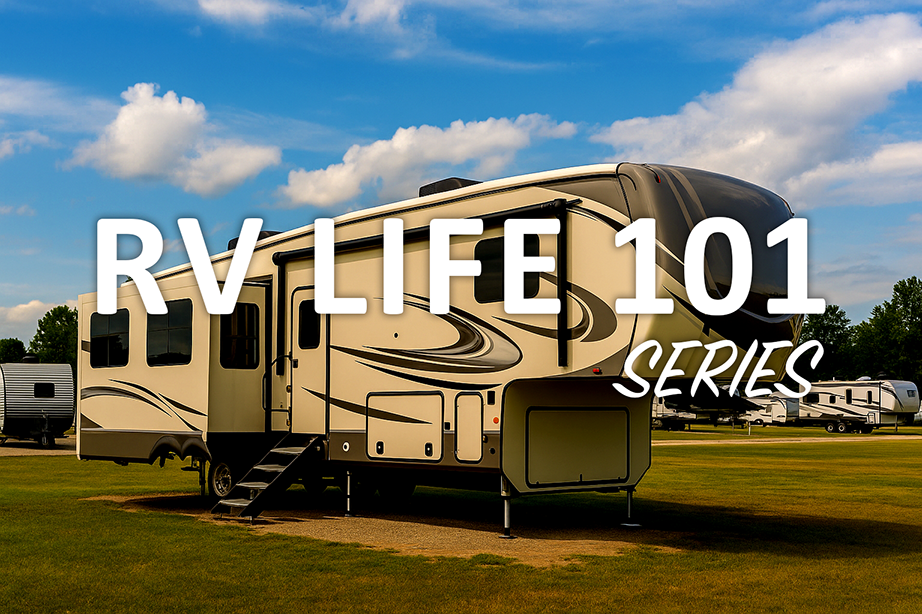
This post is part of our RV Life 101 series — a beginner-friendly guide to the essentials of RV living.
👉 See all RV Life 101 posts here