Choosing the Right Tow Vehicle: A Simple Guide for a Complicated Decision
Want help running your own numbers?
You can download our free towing calculator spreadsheet at the bottom of this post. It makes the math simple and shows how every number affects your setup.
This tool is for educational and planning purposes only. Always verify your ratings, consult your owner's manuals, and use your best judgment when selecting a tow vehicle and RV combination.
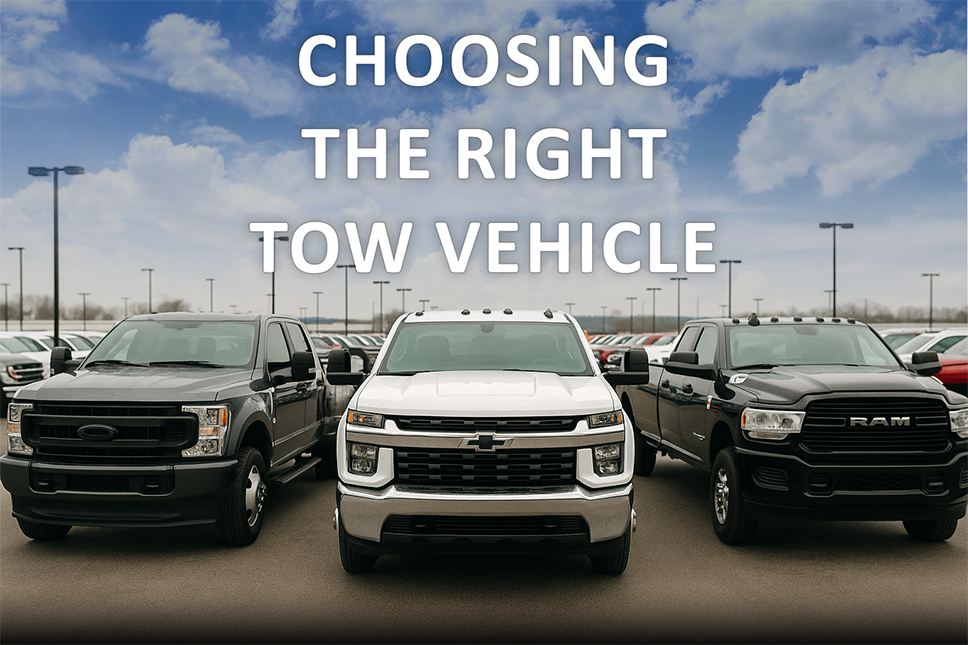
If you’ve ever looked at a truck’s tow rating and thought,
“Well… that’s the number that matters,”
you’re not alone.
Most RVers start there. It looks simple, it feels reassuring, and it’s usually printed in big shiny letters. But tow rating is only one small part of a much bigger picture.
To keep things easy to understand, let’s use an analogy that works perfectly:
Your truck and RV work together like two apple wagons connected in a line.
The front wagon pulls, the back wagon carries, and if the apples aren’t balanced correctly, the entire setup struggles.
Choosing the right tow vehicle is really about understanding how those apples move, where they sit, and what your front wagon can safely support.
And here’s the insight that sets the stage for everything else:
Tow rating tells you what the truck can move.
Everything else tells you how safely, comfortably, and confidently it can actually tow.

Why “My Truck Can Pull It” Isn’t Enough
Every dealership and brochure talks about tow rating, but very few mention the numbers that matter most once weight actually shifts to the truck. That means a lot of new RVers end up towing based on the wrong number.
Dealers aren’t required to ask what truck you own, and many don’t know how payload works. Their job is to sell RVs, not check your yellow sticker. So it becomes our job to understand the rest of the puzzle.
Here are the numbers that matter far more than tow rating:
Payload
Pin or tongue weight
GVWR
GCWR
Axle ratings
Passenger and cargo weight
Hitch weight
How much weight the RV shifts forward onto the truck
Once you understand how payload, pin weight, and axle ratings work, tow ratings start to feel less important — because they are. The real safety lies in what your truck can handle vertically, not just horizontally.
Payload: How Many Apples the Front Wagon Can Carry
Payload is everything added to your truck:
People
Pets
Cargo
Tools
Fuel
Hitch
And the pin/tongue weight from the RV
If your payload rating says 3,200 pounds but you load 3,500 pounds worth of “stuff,” you’re over the safe limit even if the truck feels powerful or rides smoothly.
Think of payload as space in the front wagon. It doesn’t matter how strong the wagon is — if there’s no room for apples, you’re in trouble. Choosing a truck with healthy payload ensures you aren’t starting every trip already maxed out.
Pin Weight (Fifth Wheels) and Tongue Weight (Travel Trailers)
This is the weight your RV pushes forward onto the truck.
Travel trailers usually transfer 10 to 15 percent.
Fifth wheels usually transfer 15 to 25 percent.
Back to our apple wagons:
The rear wagon shifts some apples into the front wagon. The heavier the shift, the more the front wagon has to carry on top of everything else.
This is why payload matters more than tow rating. Tow rating tells you what you can pull. Payload tells you what you can carry.
Pin/Tongue weight is the great equalizer. If you ever feel torn between two trailers, look at the pin/tongue weight first. That single number often makes the decision for you.
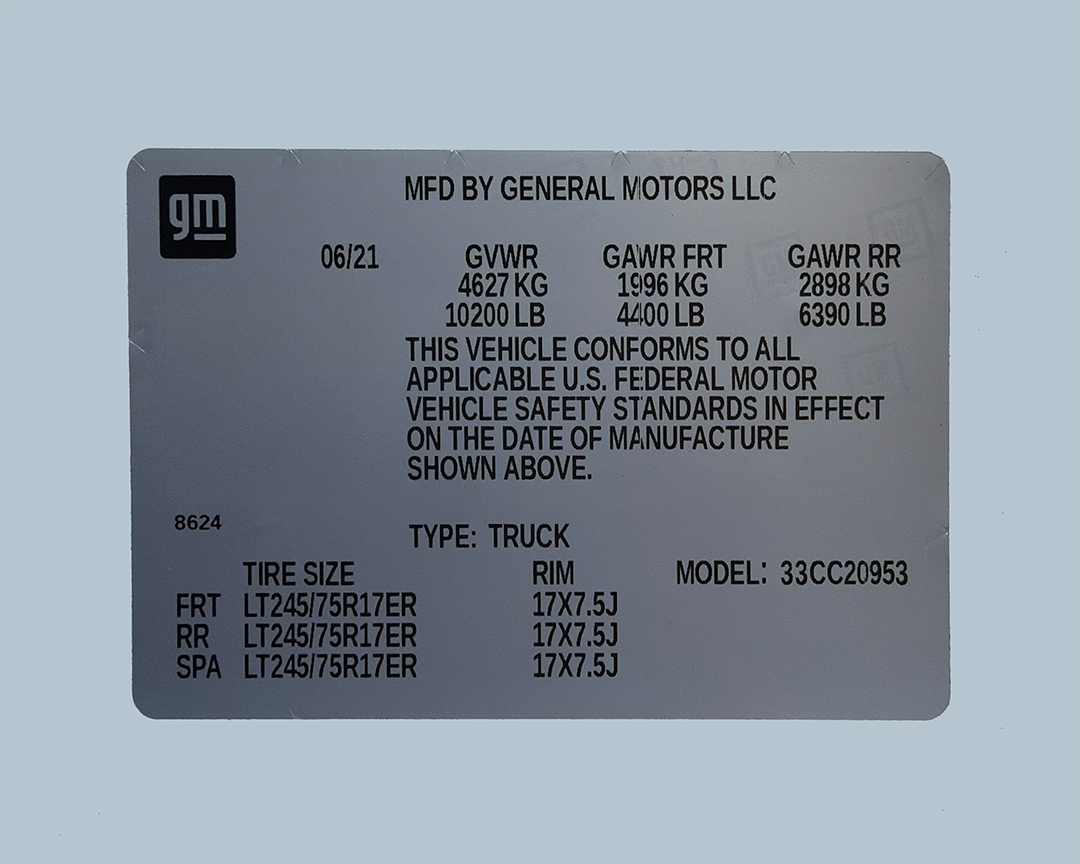
GVWR and GCWR
GVWR
This is the maximum weight your truck can safely carry when fully loaded. Think of it like a maximum fill line inside the wagon.
GCWR
This is the maximum weight your truck and RV can weigh together. This affects climbing power, braking, and drivetrain stress.
A truck can be under GCWR but still overloaded on GVWR — and this happens to more RVers than you’d think. GCWR tells you what’s possible. GVWR tells you what’s safe.
Axle Ratings
Each axle has a limit, and the rear axle often becomes the bottleneck. It carries most of the pin weight, plus passengers, hitch weight, cargo, fuel, and part of the truck itself.
If you overload the rear axle, no accessory can change that weight. This is why axle ratings matter just as much as payload.
Rear axle capacity is the quiet hero of towing. If you want the smoothest, most confident towing experience, look for a truck with plenty of rear axle room.
Why All These Numbers Matter
Understanding these numbers keeps the wagons balanced. When they’re balanced, everything feels better:
Steering stays predictable
Braking stays strong
Tires run cooler
Axles aren’t stressed
Handling stays consistent
Hills aren’t as taxing
Small shifts in weight can make big changes in how the truck behaves, especially with fifth wheels.
If you ever feel like your truck is fighting the trailer, there’s usually a number behind the scenes telling you why. The data always explains the driving experience.
SRW vs DRW (Single Rear Wheel vs Dual Rear Wheel)
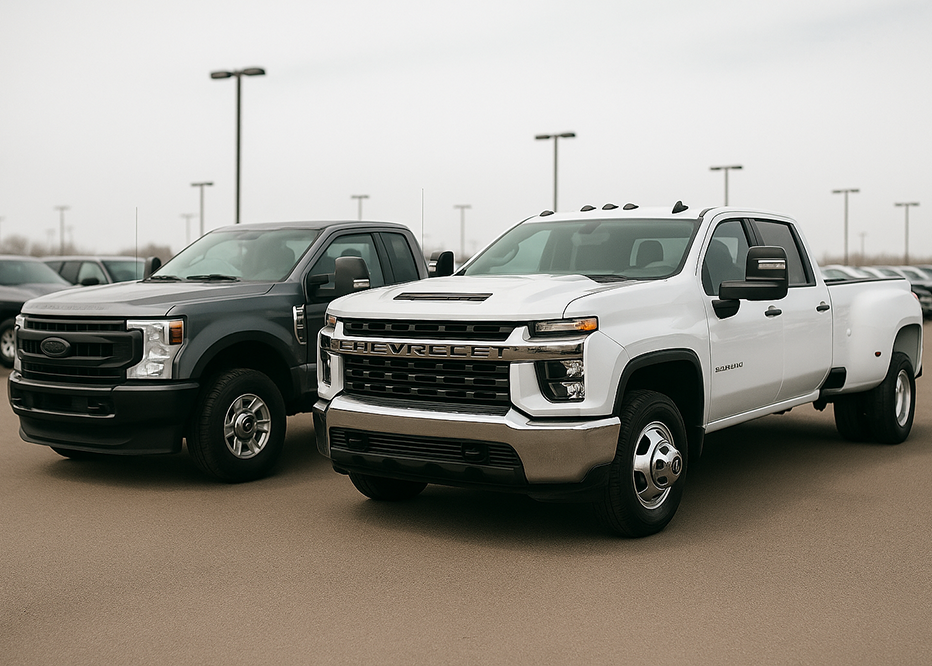
SRW (Single Rear Wheel)
Pros:
Easier to drive daily
Better fuel economy
Fits in more places
Great for travel trailers and smaller fifth wheels
Cons:
Lower payload
Rear axle overloads more easily
DRW (Dual Rear Wheel; Dually)
Pros:
Highest payload
Strongest stability
Best for heavier fifth wheels and toy haulers
Cons:
Wider footprint
Can be tricky in tight campgrounds
When your pin weight gets close to or above 3,000 pounds, a dually becomes the safer long-term choice.
If you’re close to the limit on an SRW, a DRW doesn’t just give you more capacity — it gives you margin, and margin is what turns stressful drives into comfortable ones.
A Quick Note About Airbags
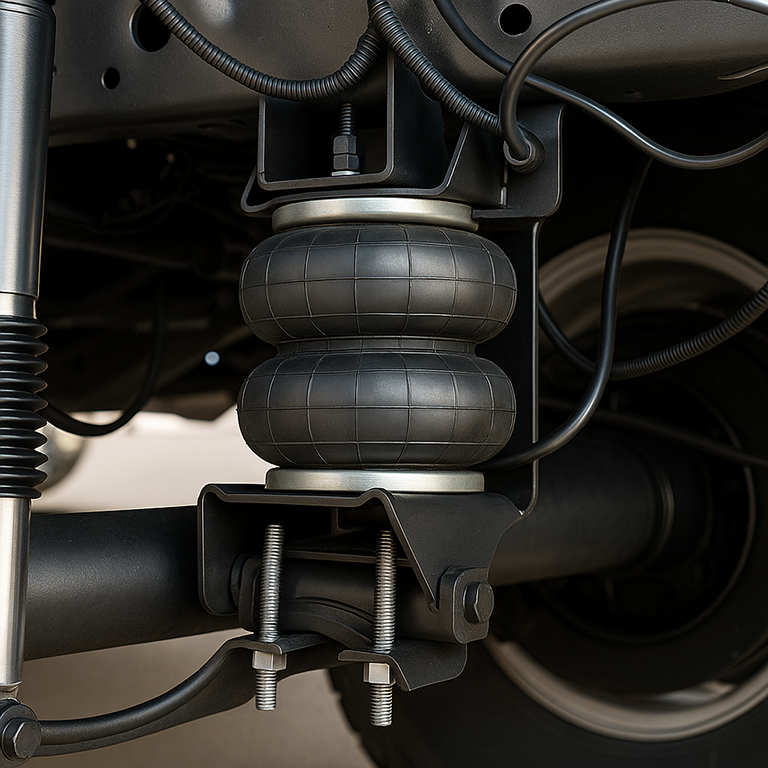
Airbags come up a lot when people talk about towing. They can be a fantastic upgrade, but they’re often misunderstood.
Here’s the simple truth:
Airbags improve ride comfort and leveling. They do not increase your payload or axle ratings.
What airbags can do:
Reduce sag
Improve ride comfort
Help stabilize the truck
Reduce bouncing or porpoising
What airbags cannot do:
Increase payload
Increase rear axle rating
Increase GVWR or GCWR
Make an overloaded truck safe
Airbags make a properly matched setup feel better. They don’t turn an undersized truck into the right truck.
Use airbags to refine a good setup — not to fix a bad one. They work beautifully when your truck is already correctly matched to your RV.
Diesel vs Gas: The Quick Breakdown
Diesel
Pros:
Excellent torque
Better for mountains
Longer engine life
Better towing fuel economy
Cons:
Higher purchase cost
Higher maintenance
Uses DEF
Gas
Pros:
Lower upfront cost
Lower maintenance
Great for lighter RVs
Cons:
Lower torque
Higher RPMs when towing
Fuel Cost Reality Check
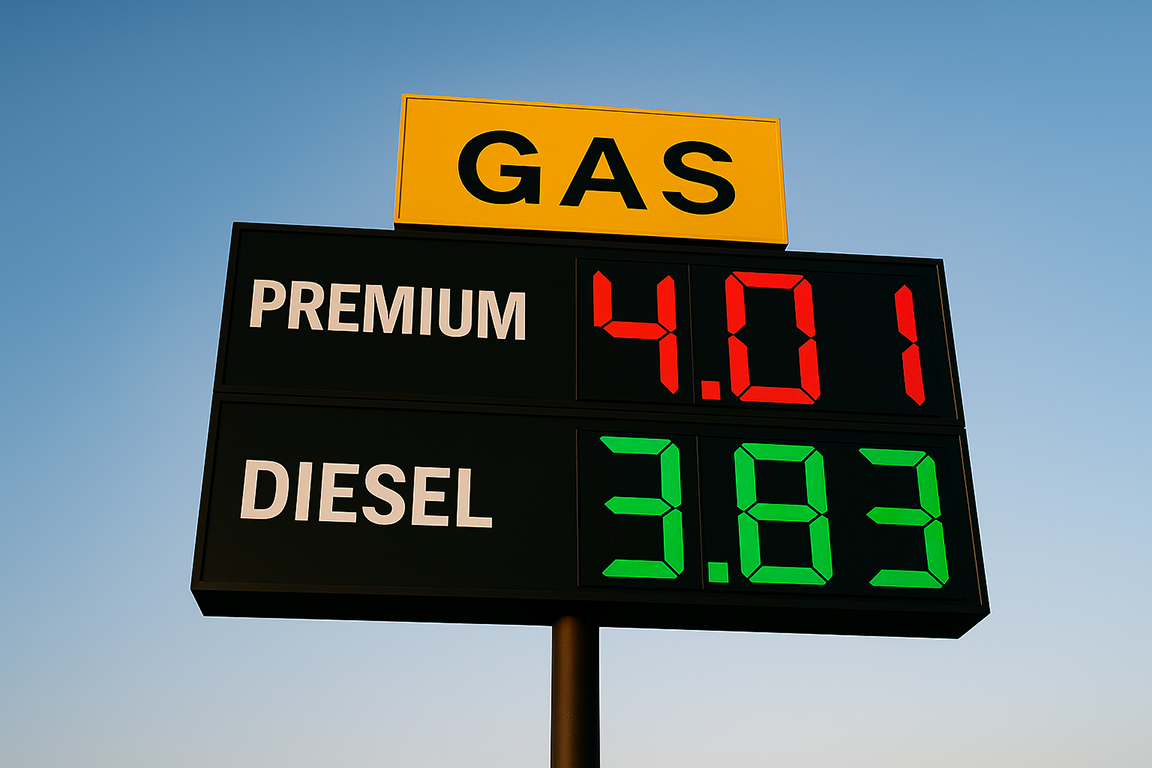
One thing people often overlook when choosing between gas and diesel is the real-world cost of fuel. Most heavy-duty gas trucks require premium gasoline (91–93 octane), not regular unleaded. And premium comes with a premium price.
Based on current national averages:
Premium Gasoline: ~$4.01 per gallon
Diesel: ~$3.83 per gallon
So even though diesel trucks cost more upfront, the fuel itself is often cheaper than the fuel many gas HD trucks require.
Combine that with diesel’s naturally higher torque and better towing MPG, and you may actually spend less per mile with a diesel—especially if you travel long distances or tow frequently.
In other words:
If you’re an occasional weekender, gas might make sense.
If you tow often or full-time, diesel can pay for itself over time.
Ford vs Ram vs GM: Quick Comparison
Payload Capacity
GM: Often the highest
Ford: Close second
Ram: Usually lowest in SRW trims
Ride and Comfort
Ram: Smoothest unloaded
GM: Best balance overall
Ford: Firm but very stable when towing
Towing Technology
GM: Best camera system
Ford: Best driver assist towing features
Ram: Best interior and comfort
Once again, let payload guide your choices. Technology and comfort are bonuses, not the starting point.
Each brand offers strengths: Ford leads in tech, GM in payload, and Ram in interior comfort. All three build excellent tow rigs when properly spec’d. The badge matters less than the numbers. With the right ratings, any of these trucks can be the perfect tow vehicle.
How to Read the Yellow Payload Sticker
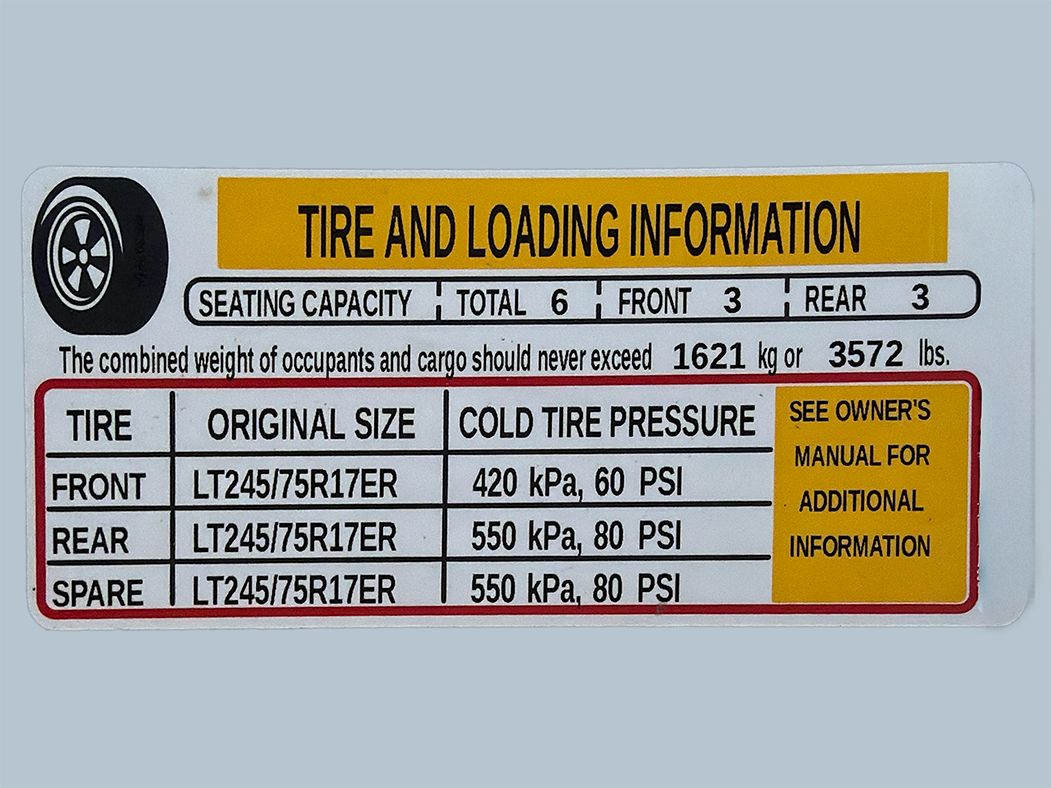
The yellow sticker on the driver-side door jamb tells you the exact payload for that specific truck. Two identical trucks on the lot can have different payload ratings depending on trim level, cab size, bed length, and added options.
Whatever that number says is what your truck can safely carry.
Trust the sticker. It’s the most honest piece of information on the entire vehicle.
Using CAT Scales to Confirm Your Numbers
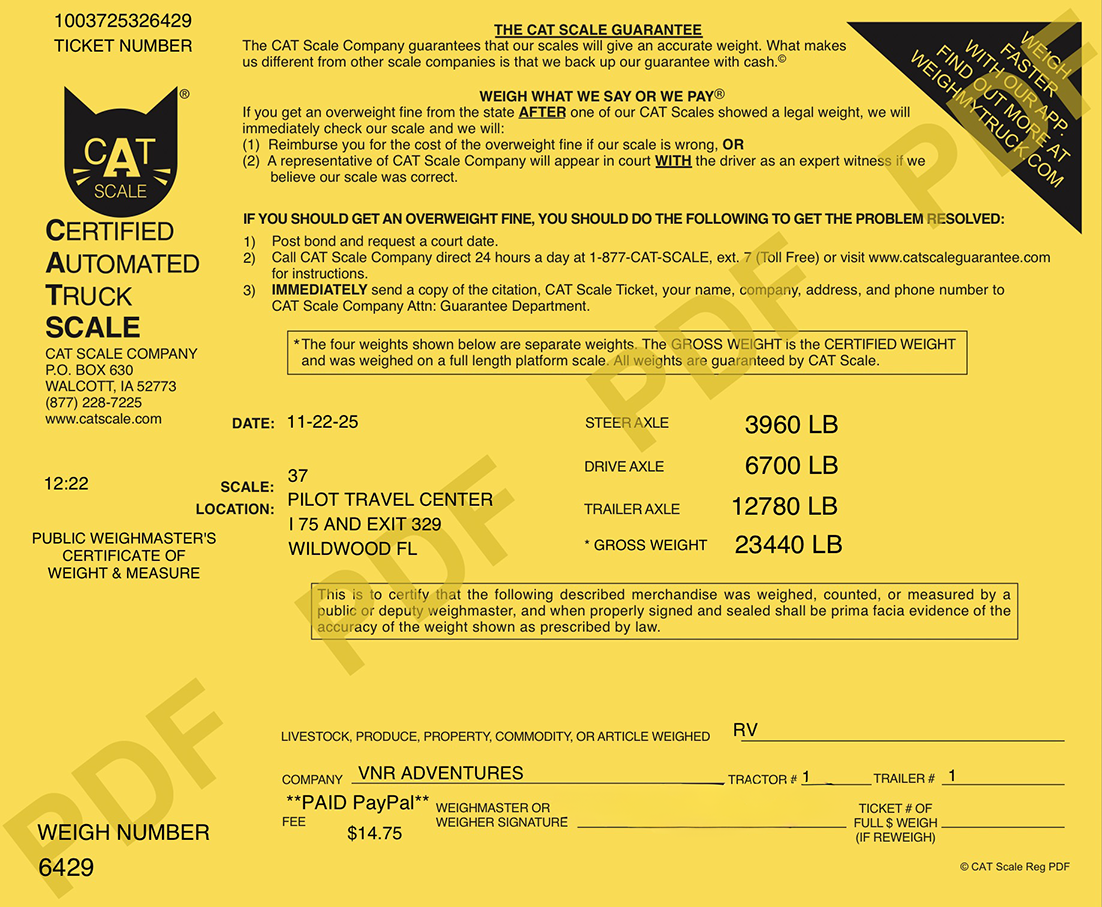
You don’t need to guess. CAT Scales let you verify everything in five minutes.
Weigh the truck and RV together
Weigh the truck alone
Subtract the two to find your true RV weight
Compare that to your GVWR and payload
Verify your pin or tongue weight
These steps give you real-world numbers you can trust, not brochure estimates.
Every RVer should weigh their rig at least once. It’s five minutes that can shape years of safer travel.
Download Our Free Tow Calculator
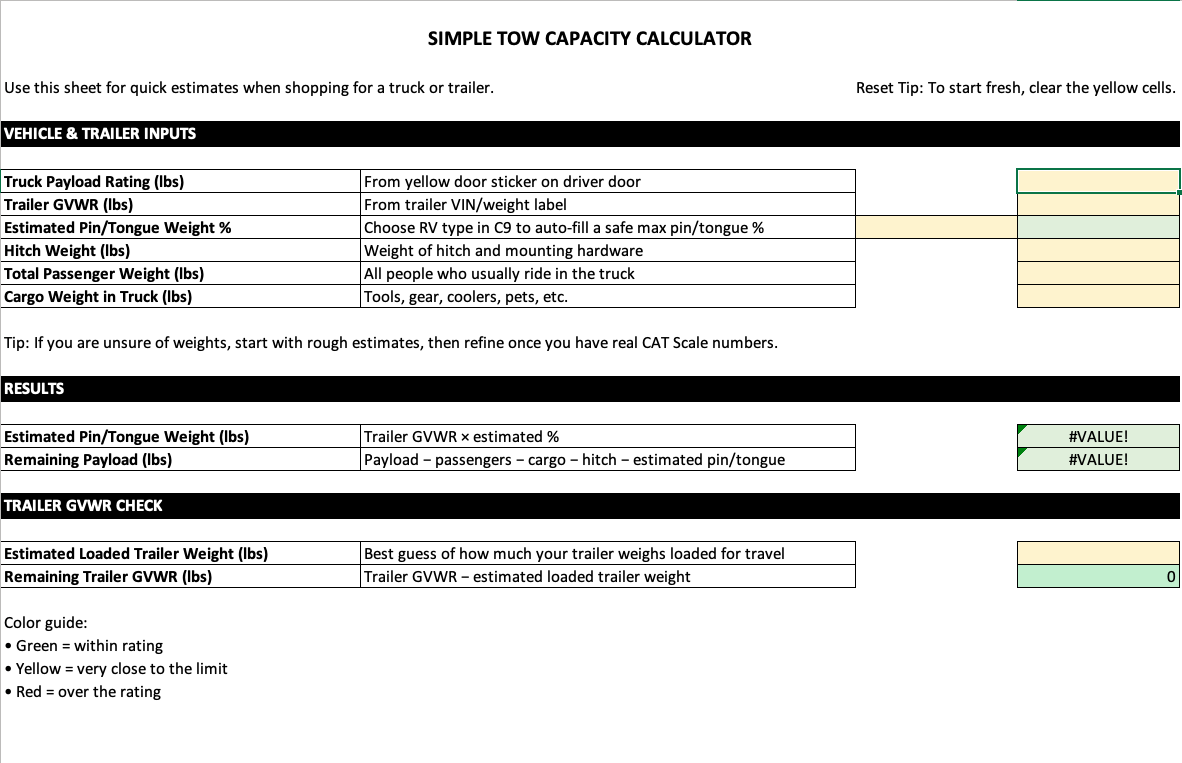
To make all of this easier, we created one downloadable Excel file that includes both tools:
Simple Tow Capacity Calculator
A quick, beginner-friendly tab where you only enter a few numbers.
It gives you an instant look at estimated pin or tongue weight, remaining payload, and a general sense of whether your setup is within a safe range.
Advanced Tow Capacity Calculator
A detailed tab for RVers who want precise data.
It uses real CAT Scale numbers, calculates true pin/tongue weight and percentage, compares everything against your truck and trailer ratings, and highlights results using easy-to-read green, yellow, and red indicators.
Both calculators are inside the same spreadsheet, so you can start simple and move into the deeper numbers at your own pace.
👉 Download the VNR Adventures Tow Calculator Spreadsheet
This tool is for educational and planning purposes only. Always verify your ratings, consult your owner's manuals, and use your best judgment when selecting a tow vehicle and RV combination.
This tool isn’t meant to overwhelm you — it’s meant to empower you. When the numbers make sense, everything about towing feels easier.
Author’s Note
Choosing the right tow vehicle can feel overwhelming, but it doesn’t have to be. Once you understand your real numbers, everything becomes easier. The right truck doesn’t just tow better — it makes every travel day calmer, safer, and more enjoyable.
As always, take your time, weigh your setup, and trust what the data tells you. Your future self on the road will thank you for it.

This post is part of our RV Life 101 series — a beginner-friendly guide to the essentials of RV living.
👉 See all RV Life 101 posts here