How We Cook in an RV Kitchen (What Works, What Doesn’t)
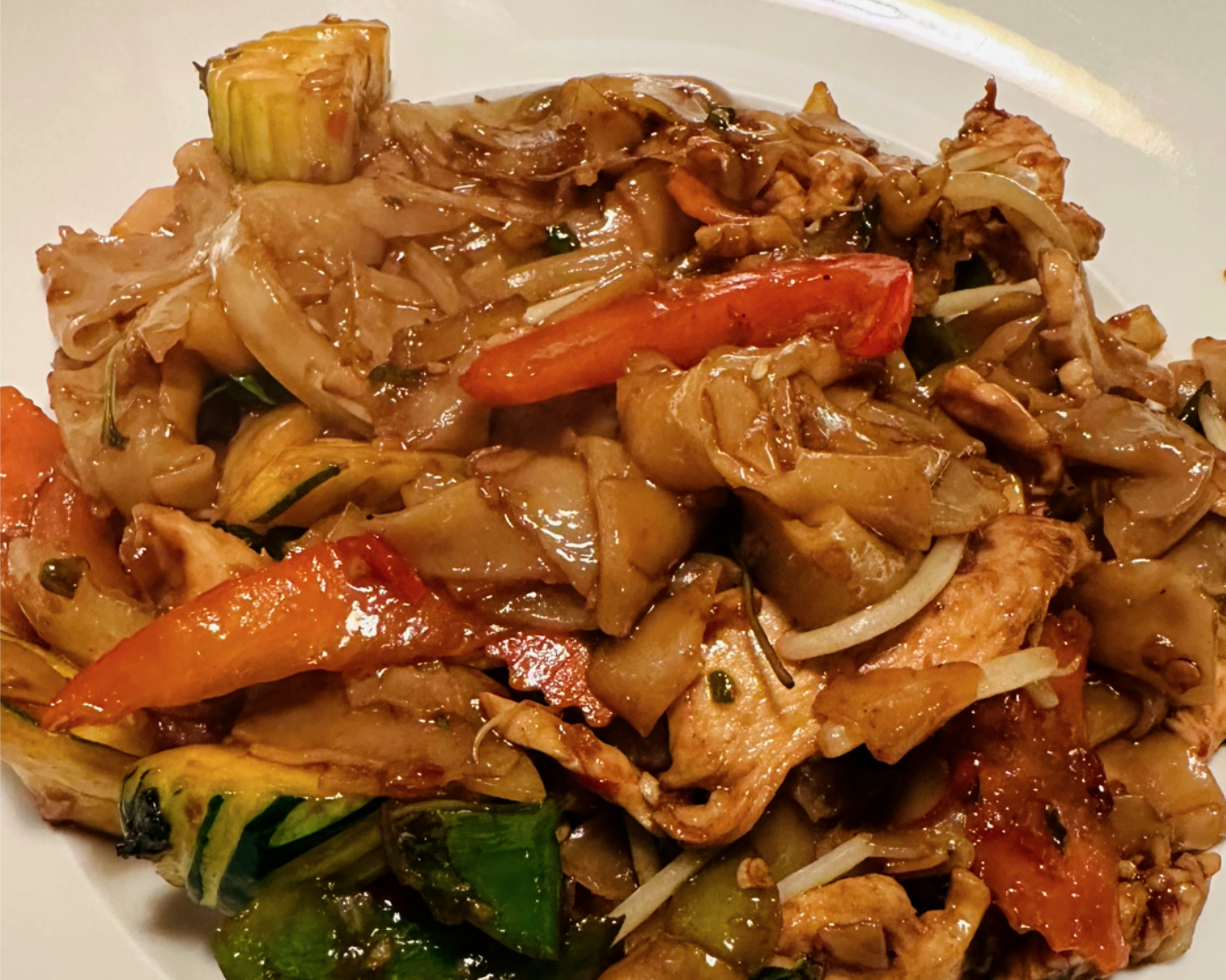
If you love cooking but feel a little defeated every time you step into an RV kitchen, you’re not alone. We felt it too.
When we started living full-time in our 2020 Jayco North Point 310RLTS, cooking felt harder than it should have. The kitchen is smaller, the counters fill up fast, and even one pan by the sink can make the whole space feel tight.
The first few months were very much “let’s just make what works.” Meals were simpler. Sometimes improvised. Sometimes based on whatever fit in the fridge that week. It wasn’t bad, it was just different.
This isn’t a post about perfect meals or turning your RV into a gourmet kitchen. It’s just us, as friends, sharing what changed, what surprised us, and what actually made cooking feel normal again.
First Things First: RV Kitchens Aren’t House Kitchens
One of the biggest shifts was accepting that an RV kitchen is its own thing.
Vahn loves to cook. Real meals. Flavorful meals. Meals that take time and care. Moving into a smaller kitchen brought up practical questions right away.
Where do we store spices without twenty bottles rattling around in a cabinet? How many specialty ingredients can we realistically keep? Which pots and pans earn their space, and which ones look nice but rarely get used?
Some things stayed behind. The heavy stand mixer. The aluminum pot. Baking breads and desserts the way we used to just didn’t make sense anymore.
The bamboo rice cooker did stay. Sticky rice is part of Vahn’s cooking, and that wasn’t going anywhere. Most days she uses an electric rice cooker, which makes sticky rice, jasmine rice, and just about anything else consistently and with little effort. But when the weather’s nice and there’s time to slow down, the bamboo rice cooker comes back out. It’s more hands-on, but it keeps that traditional touch alive.
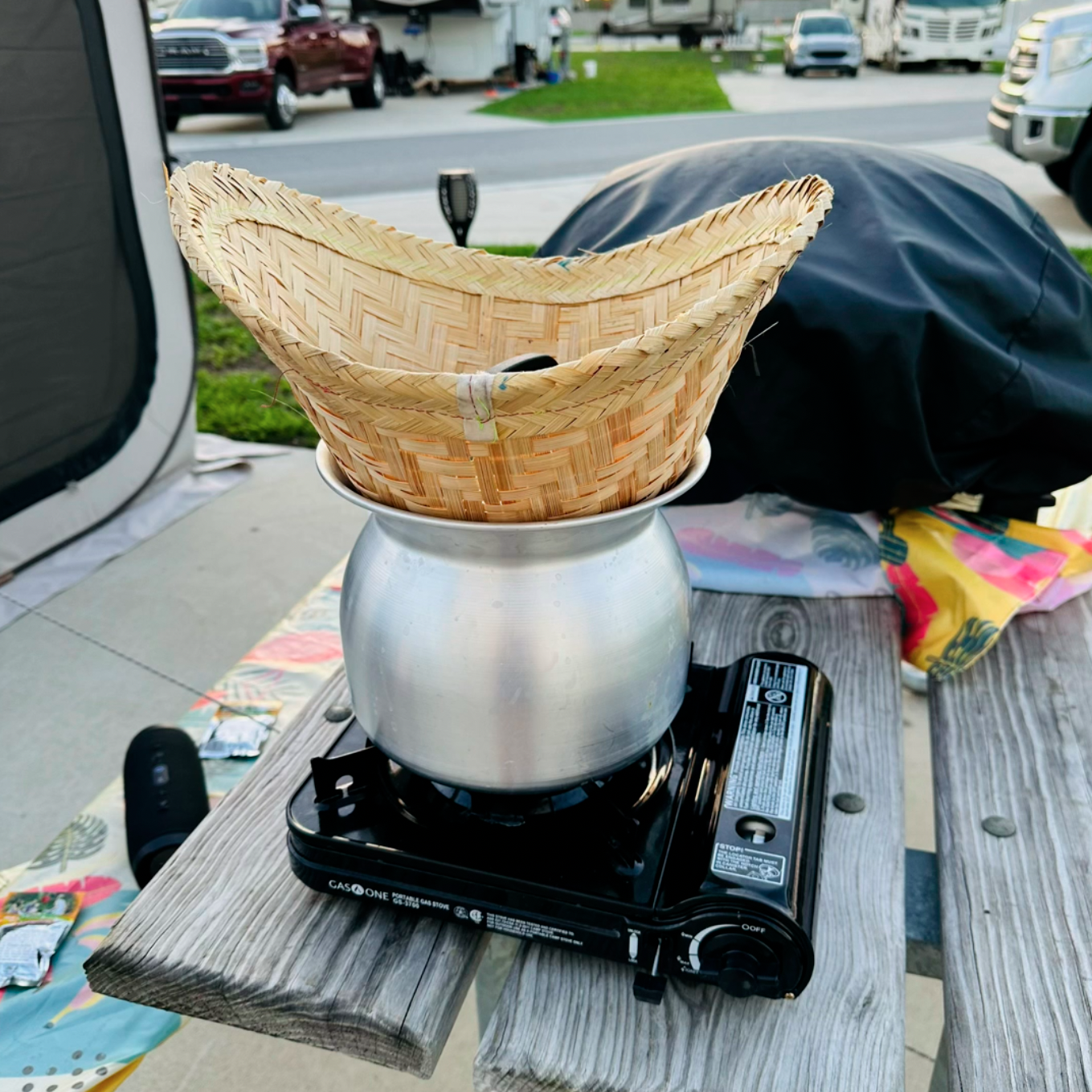
Once we stopped trying to recreate our old kitchen and accepted this one for what it is, everything felt lighter. Not smaller, just simpler.
Cooking Became About Flow, Not Square Footage
The biggest surprise was this: space wasn’t the real issue. Flow was.
Now, before anything gets chopped, the counters are cleared and the sink is empty. If there’s a single dish sitting there, it feels crowded instantly. That quick reset matters.
Meat gets thawed the night before or early in the morning so dinner doesn’t feel rushed. Ingredients are pulled out before cooking starts so no one is digging through cabinets mid-recipe. The same cutting board gets used, wiped down, and used again instead of trying to spread out.
There’s a rhythm to it now. Prep. Cook. Quick wipe-down. Continue.
If something’s missing, Vahn pivots. She’ll switch gears and make something else rather than forcing a plan that isn’t working. That flexibility changed everything.
And yes, when Vahn is cooking, Robert stays out of the kitchen. In a house you can both orbit around each other. In an RV, one person cooks and the other hovers nearby, chats, or handles something else. It keeps the space calm.
What Actually Works for Cooking in Our RV Kitchen
Instead of trying to make elaborate, multi-pan meals, we leaned into what the space supports.
One-pot and slow-style meals show up a lot in our rotation. Chili. Spaghetti. Roast beef. Taco-style meals. Soups.
Not because we lack ideas, but because these meals fit our kitchen and still feel comforting. They also don’t require juggling a dozen pans in a small sink.
One meal that really proved we could keep cooking the way we love was eggrolls.
Vahn makes incredible eggrolls, and at first she wasn’t sure they would survive RV life. The prep wasn’t the issue. It was the deep frying. We both looked at the small kitchen and immediately thought about the smell, the oil, and the ventilation.
So we adjusted.
Prep still happens inside. The frying moves outside. Same filling. Same crunch. Same flavor. Just a smarter setup.
That moment was a quiet turning point for us. We realized we didn’t have to eliminate the meals we love. We just had to tweak how we make them.
We’ve fried eggrolls outside next to the RV while the oil bubbled and the smell drifted through the campground. It’s not complicated. It’s just adjusted.
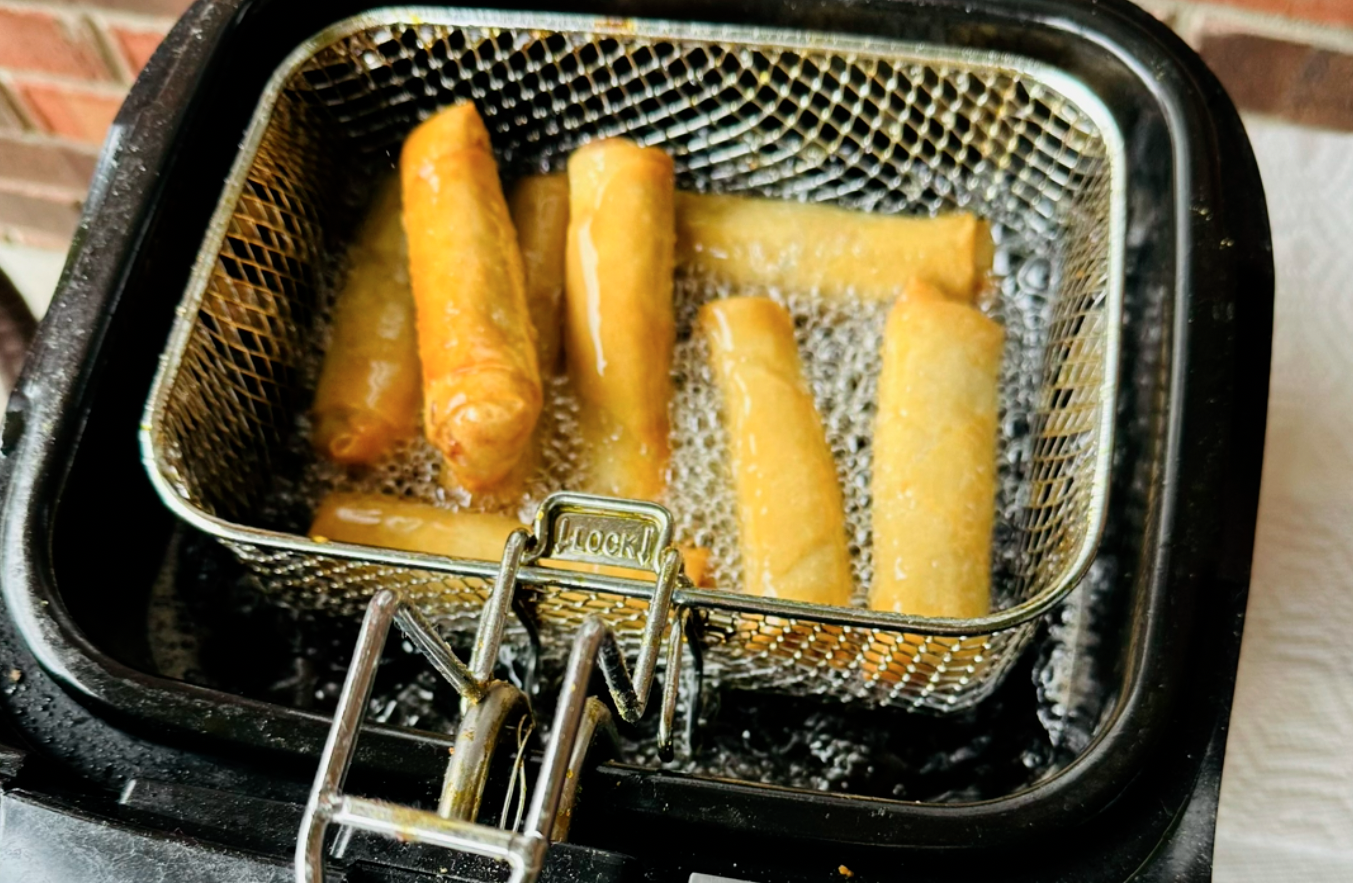
Adjusted, not abandoned. Same eggrolls. Just cooked outside.
Meals Don’t Feel Repetitive
People often assume cooking in an RV must get repetitive. It hasn’t for us.
Even when we lived in a house, we repeated meals we love. Chili is still chili. Spaghetti is still spaghetti. The difference now is how we adjust flavors.
One week the chili leans smoky. Another week it’s spicier. A different seasoning blend or sauce makes a familiar meal feel fresh without requiring more space or ingredients.
A successful meal doesn’t mean complicated anymore. It means it tastes good, it didn’t take over the whole kitchen, and it leaves us time to sit down and relax instead of cleaning for an hour.
Some nights deciding what to eat is harder than actually cooking it. Those evenings usually turn into something simple, and honestly, those are often our calmest nights.
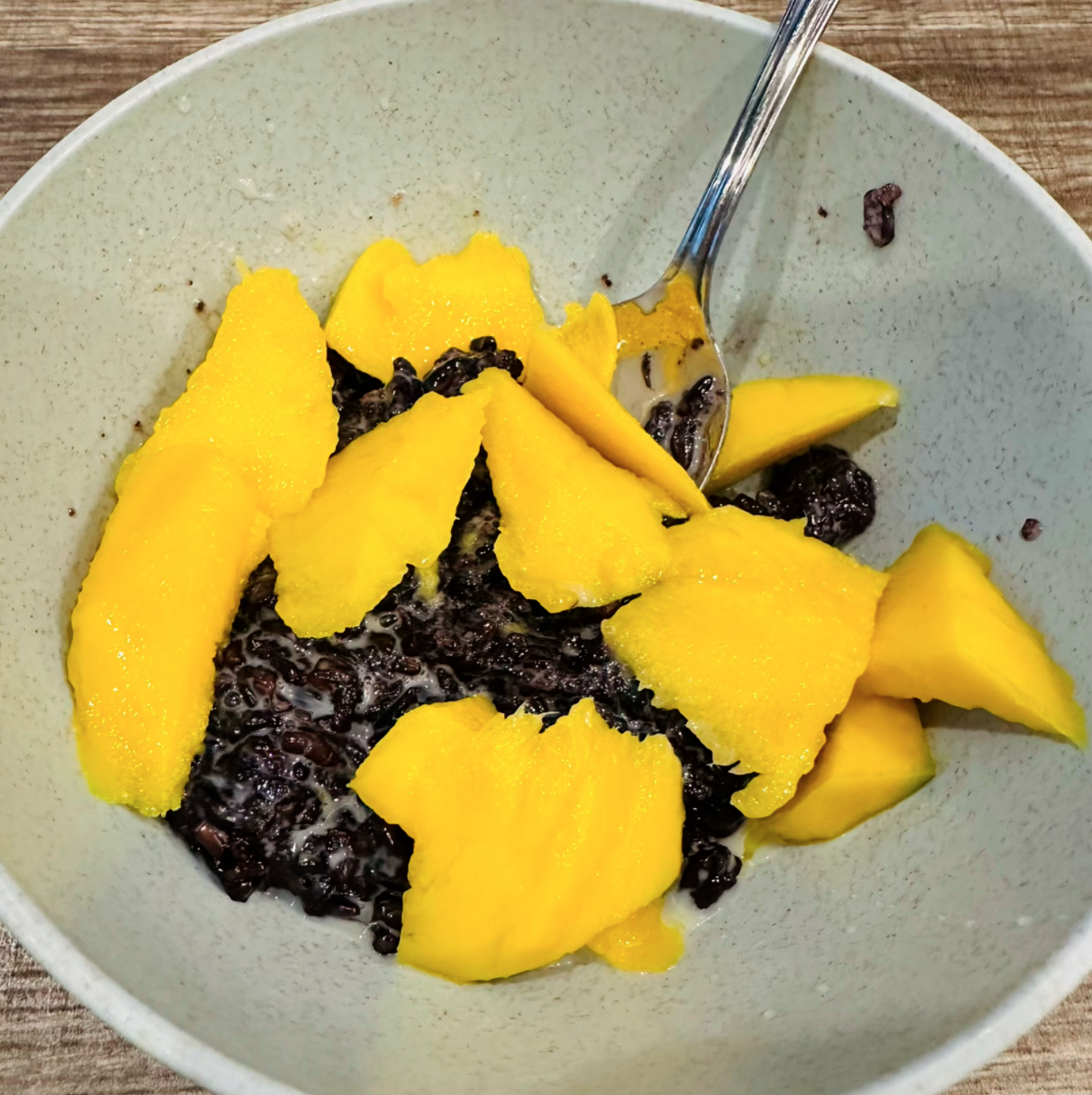
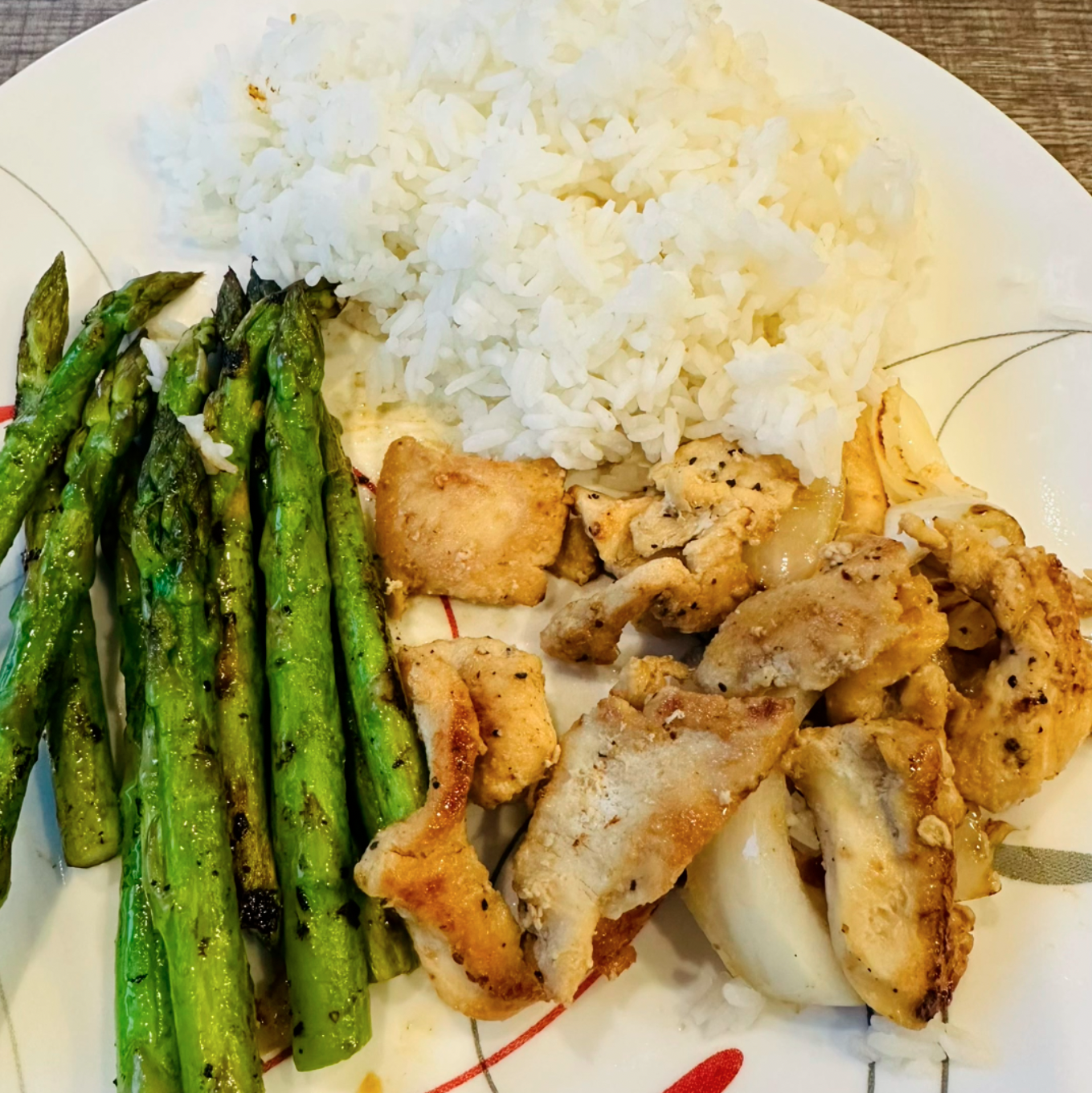
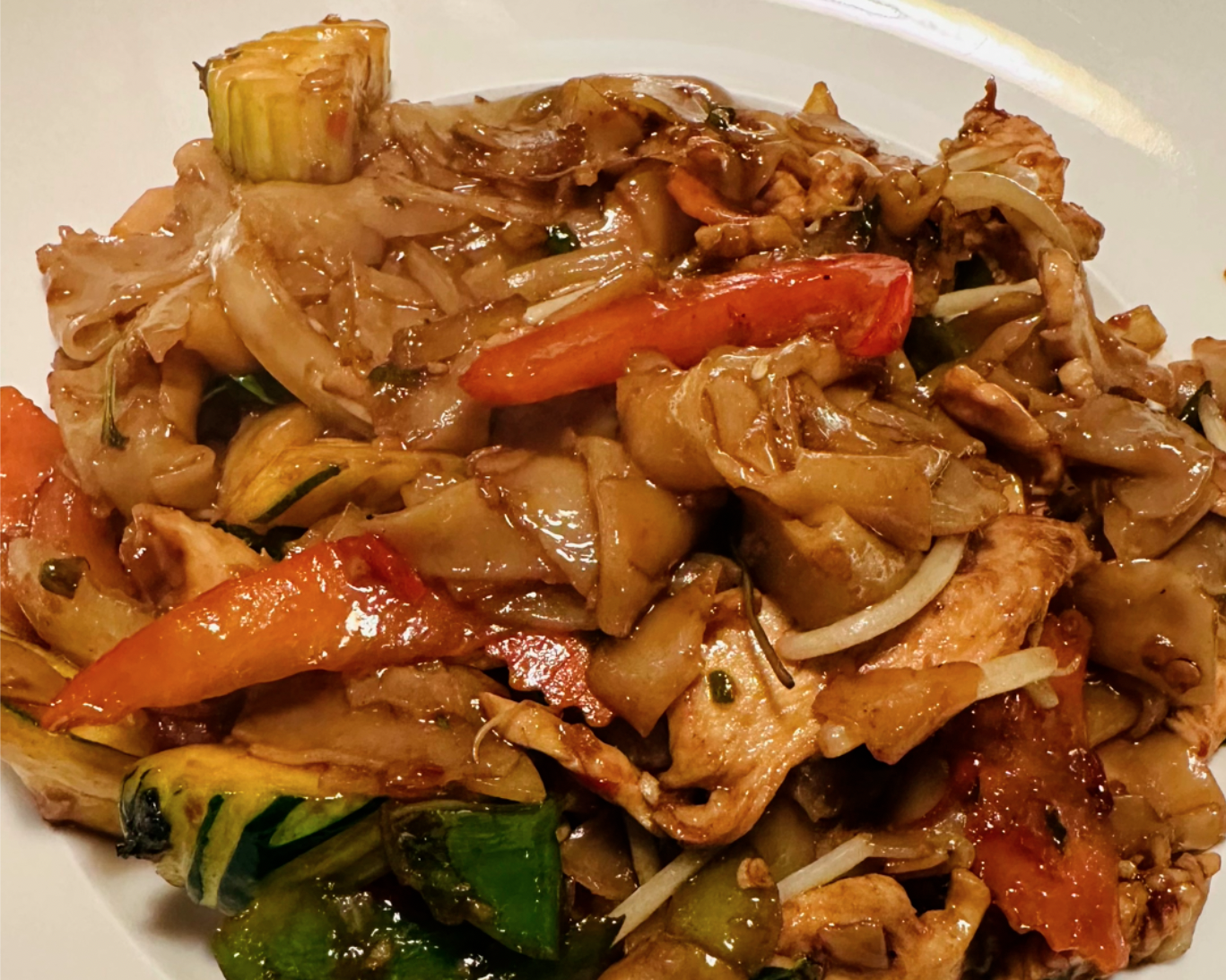
Some weeks it’s waffles on a quiet morning. Other nights it’s mango over sticky rice. Sometimes it’s a simple plate of chicken, asparagus, and rice. And sometimes it’s stir fry in a bowl while we unwind after a long day.
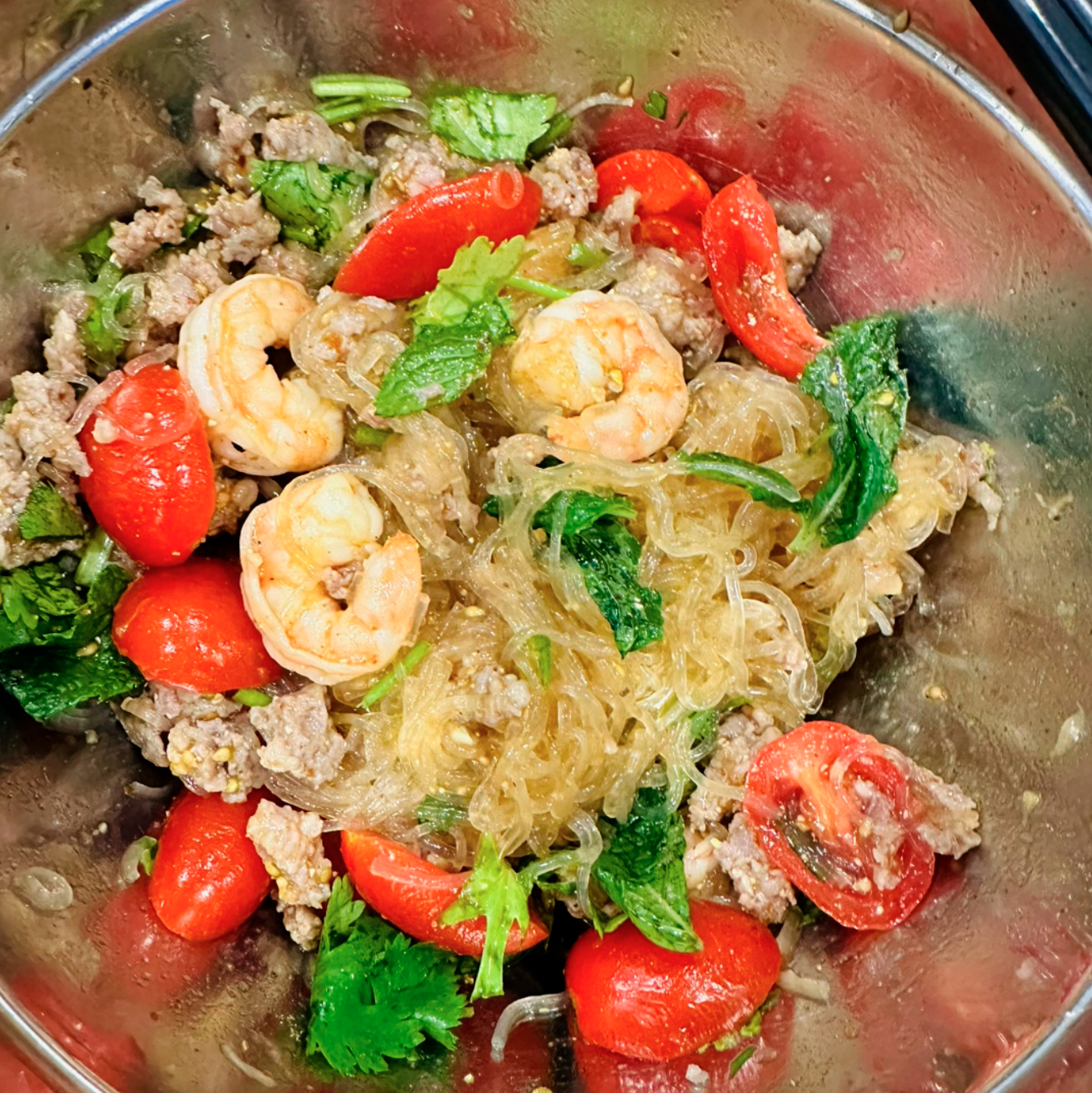
Here’s what RV cooking has actually looked like for us:
The Tools That Reduced Friction
We were intentional about not overcrowding our kitchen with appliances. But a few tools earned their spot because they made daily cooking smoother.
Here’s something that surprises people: we don’t use our RV stovetop or oven.
The oven has quietly become pot storage, and our Ninja toaster oven sits on top of the stovetop. From day one, we naturally gravitated toward electric cooking instead of propane. It wasn’t a big strategic decision. It just made more sense for how we cook.
The Instant Pot does a lot of heavy lifting. It browns, sautés, slow cooks, and pressure cooks without taking over the kitchen. The air fryer crisps and reheats without heating up the whole space. The Ninja toaster oven gives us oven-style flexibility in a smaller footprint. We also use a portable induction cooktop because it heats quickly, cleans easily, and gives us full control.
Everything inside our kitchen runs on electricity. The only time propane really gets used for cooking is when we fire up the grill outside.
None of these tools make us better cooks. They just remove small frustrations. In a compact space, reducing friction matters more than adding features.
RV cooking doesn’t look like survival food for us. It looks like sticky rice in a bamboo basket. Fresh dragon fruit on the counter. Glass noodle salad tossed in a metal bowl. Meals that still feel like home.
The Butcher Block That Changed Everything
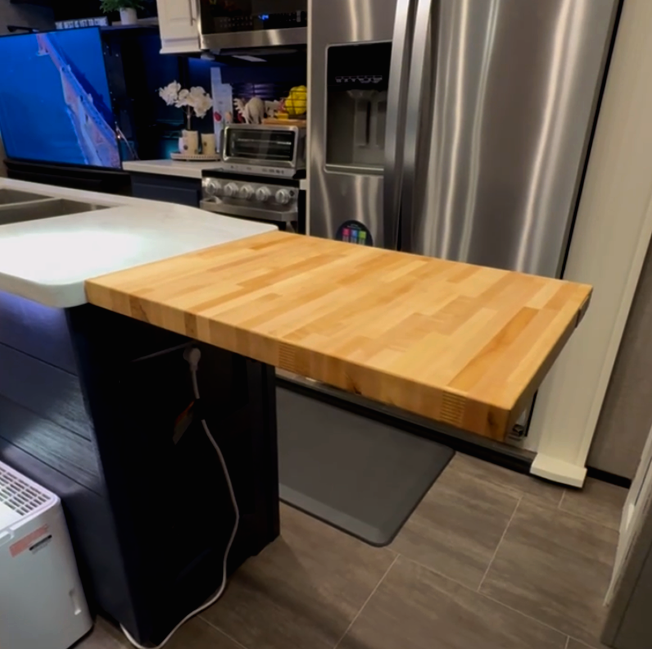
One of the simplest upgrades we made had nothing to do with electronics.
We added a butcher block extension to our island, and the extra surface changed how the kitchen feels.
Before that, chopping vegetables meant negotiating space with whatever else was on the counter. Now there’s room to spread out. To line up ingredients. To set a bowl aside without it feeling like it’s in the way.
It turns the island into a true prep station instead of a shared landing zone. In a small kitchen, a few extra inches of workspace can feel like a full renovation.
Cooking Still Feels Like Home
We cook most of our meals inside the RV. We also make it a point to try local restaurants wherever we stay, usually one evening a week. Saturdays are often our “let’s try somewhere new” night.
That balance keeps things fun. Cooking grounds us. Eating out connects us to where we are.
At the end of the day, dinner still feels the same as it did before RV life. We talk. We unwind. We sit across from each other and enjoy what was made.
The kitchen is smaller, but the experience isn’t.
Final Thoughts
If cooking in your RV feels overwhelming right now, take a breath.
You won’t cook everything the way you used to. You won’t store every spice or specialty ingredient. You will adjust, and that’s okay.
Clear the counters. Keep the flow simple. Make the meals you love, even if they look a little different.
The kitchen may be smaller, but the meals can still feel just as big.
Appliances We Use in Our RV Kitchen
For those who are curious, here’s what we currently use:
Affiliate Disclaimer: Some of the links in this post are affiliate links. This means if you purchase through them, we may earn a small commission at no extra cost to you. We only recommend products we personally use and trust. Supporting us this way helps keep VNR Adventures rolling and allows us to continue sharing our journey.
These aren’t essentials for everyone. They’re simply the tools that fit our rhythm.
Author’s Note
This post isn’t about the right way to cook in an RV. There isn’t one.
It’s about finding your rhythm in a smaller space, letting go of what no longer fits, and adjusting without giving up the meals that matter to you.
If you’re stepping into your RV kitchen wondering whether it will ever feel normal again, it will. It just might look a little different than before.